


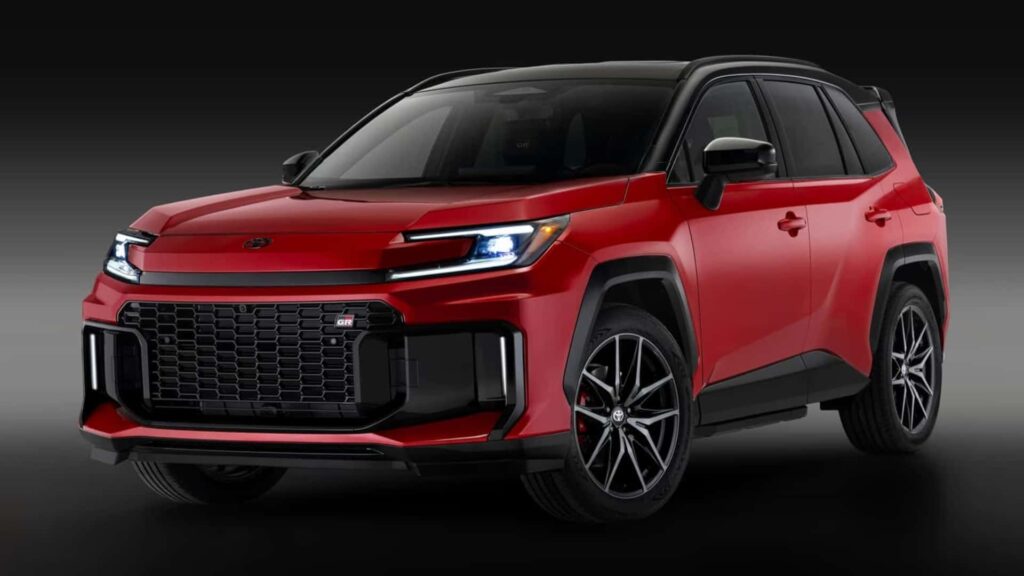
Toyota officially presented the new generation of the RAV4, and the big news is that the model will now be sold exclusively with an electrified engine. Starting with the 2026 model year, there will be no more pure gasoline versions of the best-selling SUV in the United States.
The new 2025 RAV4 line will only be offered in conventional hybrid (HEV) and plug-in hybrid (PHEV) variants. It’s the same strategy that Toyota adopted last year with the Camry sedan, which also became hybrid-only and helped boost sales of the brand’s electrified vehicles.


Photo by: Toyota
In 2024, the RAV4 was the third best-selling vehicle in the USA, behind only the Ford F Series and Chevrolet Silverado pickup trucks, with around 475 thousand units sold. The decision to eliminate the pure combustion version should expand the reach of electrification in the second largest automotive market in the world.
There are still no official consumption data for the new generation, the reference is the previous model:
-
RAV4 gasoline: near 12.7 km/l (30 mpg)
-
Hybrid RAV4: around 16.6 km/l (39 mpg), with 25% less consumption
23
Source: Toyota
As consumers migrate to hybrid versions, the impact on reducing fuel consumption and CO₂ emissions can be significant over time.
The plug-in hybrid version (RAV4 Prime) has also been updated and now has an electric range extended to 80 km (50 miles), in addition to offering fast direct current charging (DC Fast Charging) – a feature never seen before in the previous generation. The improvements make the model more competitive and functional for urban use with minimal dependence on the combustion engine.
Despite progress, hybrids still use fossil fuel and, therefore, do not represent a definitive solution to the climate crisis. Studies show that 100% electric vehicles are more efficient in terms of emissions throughout their entire life cycle. However, the full transition to electric depends on public policies, infrastructure and consumer acceptance.
Until this happens, Toyota’s strategy of electrifying one of its most popular models could accelerate the adoption of cleaner technologies on a large scale – and this, in itself, already represents a relevant step. Later we will see the reflection of these changes here in Brazil, perhaps at a slower pace, but still important in seeing hybrids expanding their space within the line.



André Itamara Vila Neto é um blogueiro apaixonado por guias de viagem e criador do Road Trips for the Rockstars . Apaixonado por explorar tesouros escondidos e rotas cênicas ao redor do mundo, André compartilha guias de viagem detalhados, dicas e experiências reais para inspirar outros aventureiros a pegar a estrada com confiança. Seja planejando a viagem perfeita ou descobrindo tesouros locais, a missão de André é tornar cada jornada inesquecível.
📧 E-mail: andreitamaravilaneto@gmail.com 🌍 Site: roadtripsfortherockstars.com 📱 Contato WhatsApp: +55 44 99822-5750