
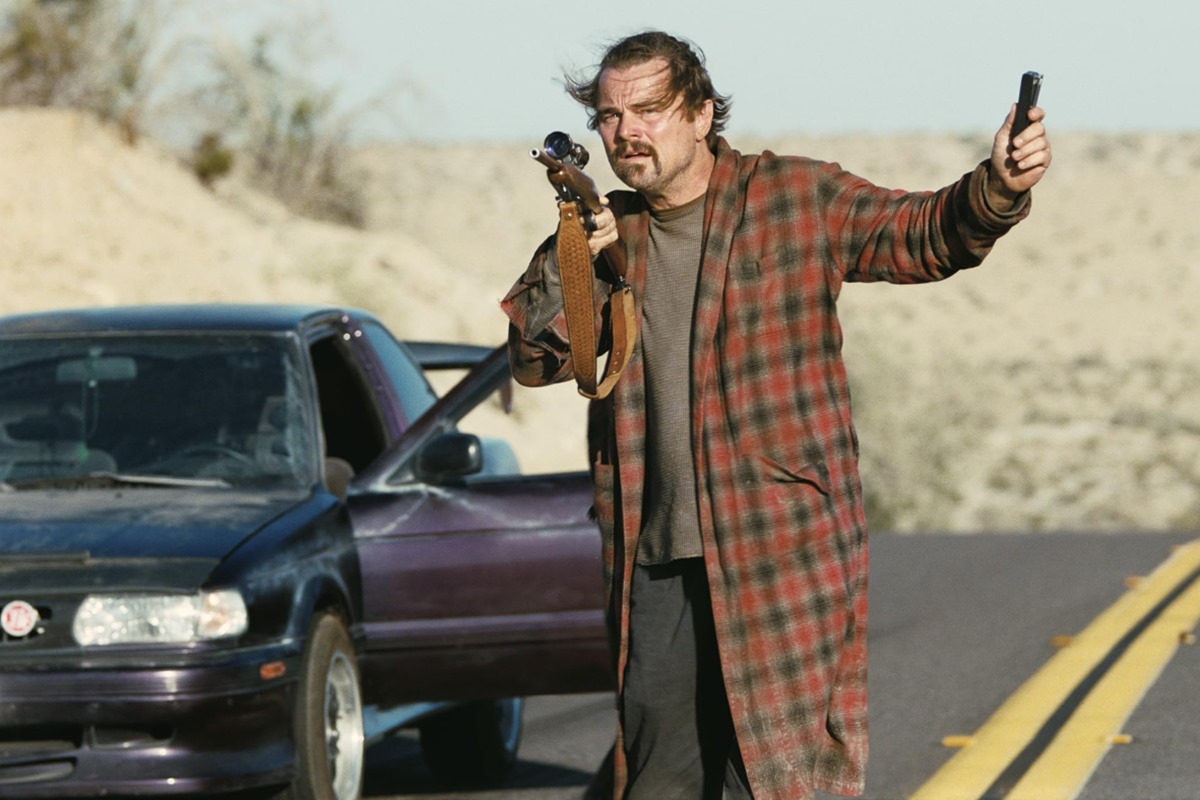
One Battle After Another premiered in theaters in September and became one of the favorites for Oscar nominations. The film was born from the observation of the current American political climate, which brings ideological conflicts similar to those experienced in the 1960s.
In the production, Paul Thomas Anderson was inspired by the book Vineland, by Thomas Pynchon, to address revolutionary groups, institutional oppression and the hope for radicalism steeped in romantic alliances.



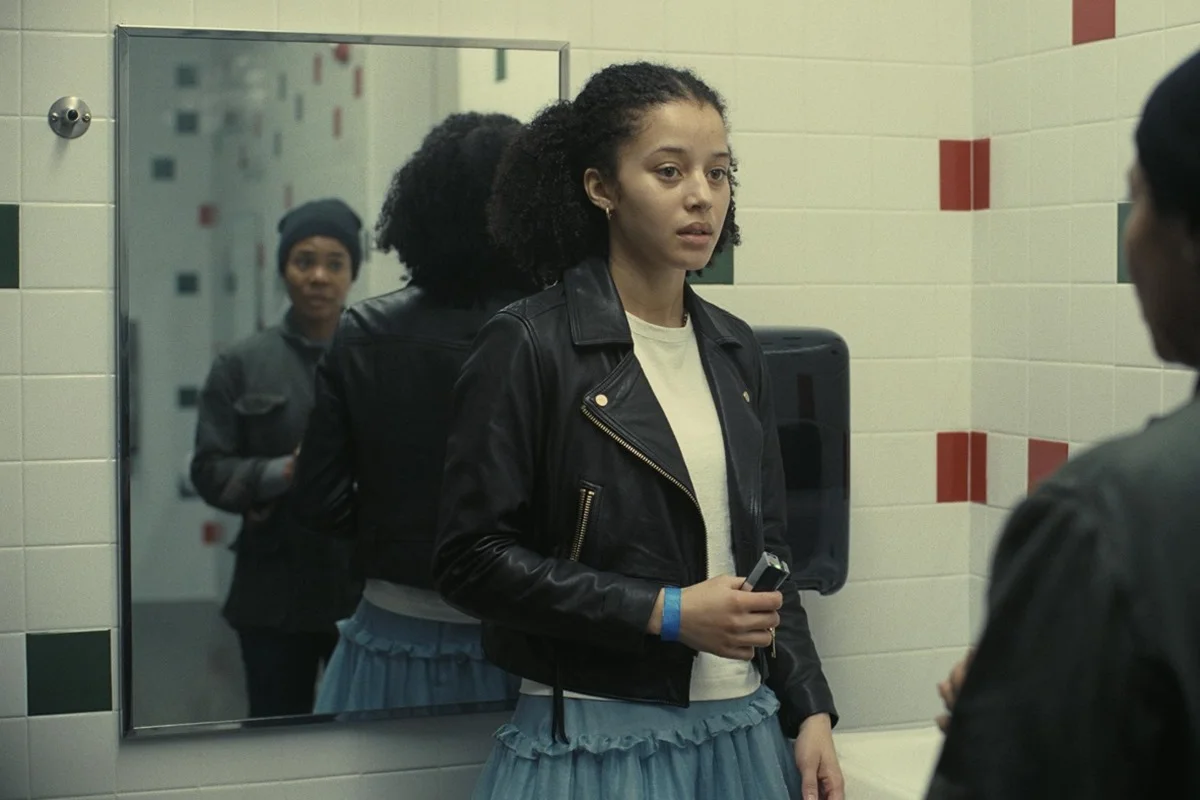
The book that provides inspiration for the film tells the story of a fictional revolutionary group, the French 75, which was the target of federal interference and ended once and for all. The fiction mixes radical politics, state paranoia, pop culture and weapons of institutional intimidation, creating a collapsed portrait of the counterculture.
In One Battle After Another, the director uses the premise, but continues the group’s ideals in a modern panorama. The film’s political plot emphasizes how the ideals of revolution and repression suffered by the French 75 remain alive even after the group’s extinction.
The political battles of the 1960s, represented in the book, are renewed with other ideals, different forms of oppression and a lot of memory of the past in a context similar to that currently experienced in the United States.

André Itamara Vila Neto é um blogueiro apaixonado por guias de viagem e criador do Road Trips for the Rockstars . Apaixonado por explorar tesouros escondidos e rotas cênicas ao redor do mundo, André compartilha guias de viagem detalhados, dicas e experiências reais para inspirar outros aventureiros a pegar a estrada com confiança. Seja planejando a viagem perfeita ou descobrindo tesouros locais, a missão de André é tornar cada jornada inesquecível.
📧 E-mail: andreitamaravilaneto@gmail.com 🌍 Site: roadtripsfortherockstars.com 📱 Contato WhatsApp: +55 44 99822-5750