


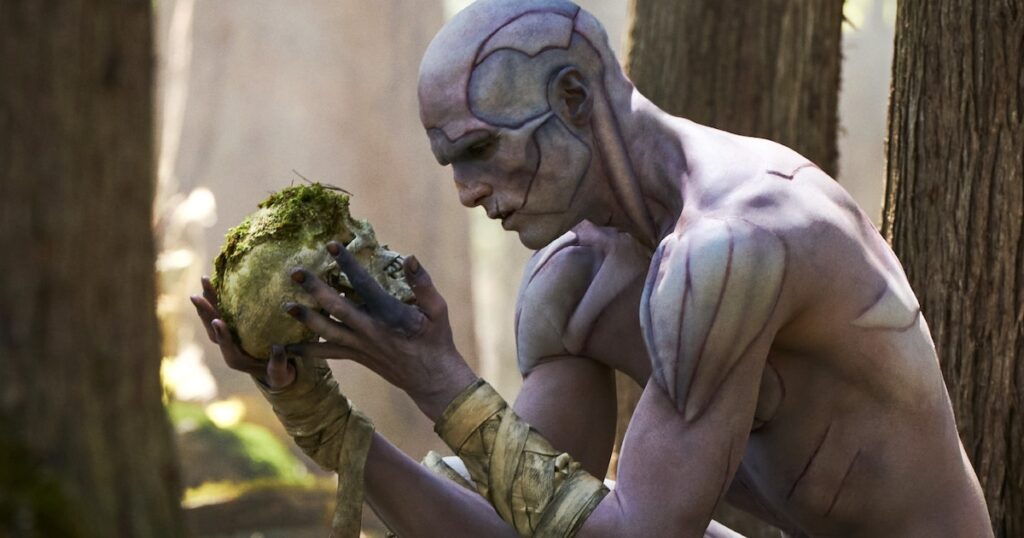


The image of Jacob Elordi emerging in a frozen landscape, transformed into the creature of Frankenstein under the direction of Guillermo del Toromarks a milestone in the reinvention of a literary classic for the screen. The process behind this metamorphosis, which required more than 10 hours a day of makeup and the application of 42 prosthesesreveals an unprecedented artistic and technical collaboration. This new version, now available in Netflixdistances itself from the visual stereotypes of Hollywood and approaches the dark and romantic essence of the original novel by Mary Shelley.
The choice of Elordi for the role it was unexpected and decisive. Nine weeks before the start of filming, Andrew Garfieldinitially selected to play the creature alongside Oscar Isaac like Victor Frankenstein, he abandoned the project due to scheduling problems. The arrival of Elordi, with his imposing stature of 1,96 metrosoffered the makeup team a “fabulous canvas,” in the words of Mike Hillhead of the prosthetic effects department. Hill, in conversation with ELLEstressed that beyond physical appearance, Elordi provided essential interpretive depth: “There is a soul there, and an active performance.”


Elordi’s preparation to embody the creature took place mainly in the makeup chair. The process, which could extend more than 10 hoursinvolved the placement of 42 prosthetic partsof which 14 corresponded to the head and neck. Makeup removal required other 90 minutes and the use of an inflatable sauna in the actor’s dressing room. Hill acknowledged that without Elordi’s patience, the result would not have been possible. “I have never met a better subject,” said the designer, who also highlighted the actor’s resistance to the physical and emotional exhaustion that the daily transformation entailed.
Collaboration between the makeup and wardrobe teams was essential to define the duration and scope of each session. Kate Hawleyresponsible for costume design, explained to ELLE that coordination with Hill determined whether Elordi would spend five or ten hours in makeup, depending on which areas of the body were exposed. The costumes, far from replicating the iconic black suit and green skin of previous versions, were inspired by human anatomy and artistic references from the 19th century. Hawley cited the influence of Caravaggio to achieve a dark and theatrical aesthetic, with reddish tones and luminous skin that evoke both wax and anatomy.

The costume design process began with the creation of bandages and leather restraints, evoking the figure of Christ and adapting to the demands of filming. Hawley sought to make the garments reflect the creature’s fragmented nature, using materials such as suede and leather to simulate a second skin. The military coat, the centerpiece of the costume, was conceived as an “other flayed skin,” taken from a skeleton fallen in the Crimean War. This coat, which sometimes had to be transported on wheels due to its weight, incorporated anatomical details such as a printed spine, in keeping with Hill’s work on prosthetic skin.
The attention to detail even extended to the creature’s hair. Hill designed a wig with shades ranging from brown to white blonde, avoiding jet black to maintain a more earthy and human appearance. The goal was to make the creature look like a real being, a “fractured wrist” that, as it grows, it becomes humanized. The costumes also included elements adapted for scenes involving water, explosives, and interaction with animals, such as wolves, which required special versions of the coat due to their sensitivity to wool.
The vision of Guillermo del Toro deliberately moved away from the visual clichés established by the 1931 film starring Boris Karloff. Both Hill and the director agreed that the classic creature would not fit this new interpretation. Del Toro established from the beginning that there would be no striking wounds or screws in the neck, seeking a representation more faithful to the spirit of Shelley’s novel and the atmosphere of the 19th century. To achieve this, Hill turned to anatomy manuals of the time and objects such as phrenology heads, while Hawley integrated artistic and literary references into the design of the garments.


The atmosphere on set reflected the collaborative nature of the project. Elordi, far from isolating himself during the long hours of makeup, shared moments with the team and his dog Laylawho, according to Hill, provided company and relief during the most demanding days. The interaction between the makeup, costume and direction departments was key to maintaining the visual and symbolic coherence of the creature throughout the film.
The visual impact of the creature is evident from the opening sequence in the Arcticwhere his silhouette and clothing contribute to an operatic and enigmatic atmosphere. Hawley described the effect of the sparks and flames on the screen as a “phoenix rising from the ashes”underlining the symbolic dimension of the transformation. Each element, from the visible seams in the skin to the superposition of layers in the clothing, reinforces the idea of a being constructed and marked by the memory of other bodies and lives.


André Itamara Vila Neto é um blogueiro apaixonado por guias de viagem e criador do Road Trips for the Rockstars . Apaixonado por explorar tesouros escondidos e rotas cênicas ao redor do mundo, André compartilha guias de viagem detalhados, dicas e experiências reais para inspirar outros aventureiros a pegar a estrada com confiança. Seja planejando a viagem perfeita ou descobrindo tesouros locais, a missão de André é tornar cada jornada inesquecível.
📧 E-mail: andreitamaravilaneto@gmail.com 🌍 Site: roadtripsfortherockstars.com 📱 Contato WhatsApp: +55 44 99822-5750