
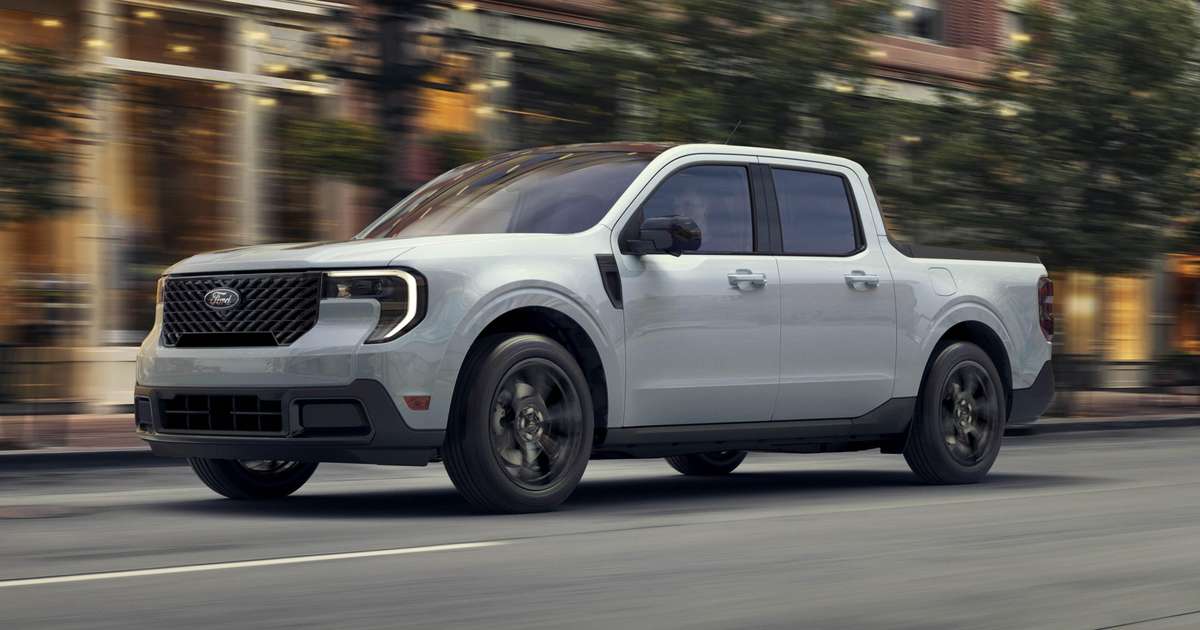
From the Tacoma pickup truck to the new Compass, including the Maverick and Silverado pickup trucks, 25% tariffs for Mexico and Canada affect the industry

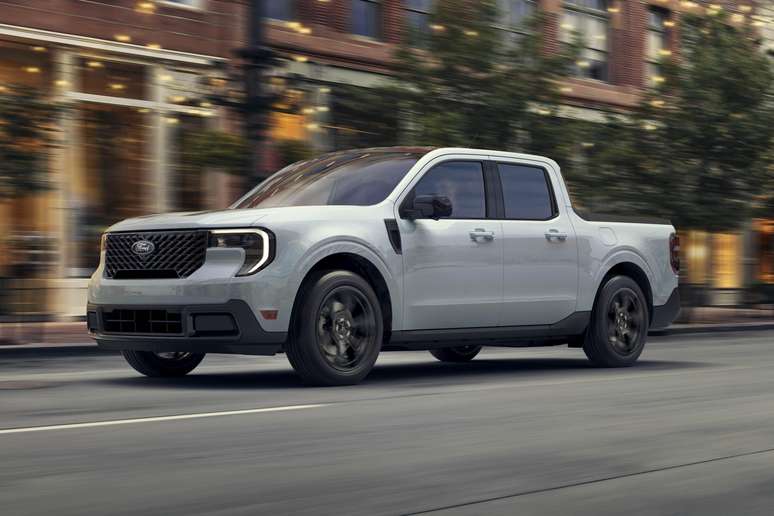
The automotive industry is beginning to feel the heavy hand of US President Donald Trump on the issue of tariffs against Mexico and Canada. Trump taxed products manufactured in these two countries by 25% – and there are many Mexican and Canadian vehicles sold in the United States.
Several automakers are affected, as the USA has had a free trade agreement with Canada since 1988 and Mexico has participated in this trade exchange since 1994. Therefore, there was a lot of investment in factories in Mexico and Canada, not only from American companies, but also European and Japanese ones.
Of the American brands, Ford, Chevrolet (GM), Ram and Jeep (Stellantis) will struggle to keep models such as Maverick, Bronco Sport, Mustang Mach-E, Silverado, Ram 2500 and even the new generation of Compass competitive.
Ford exported 131,100 Maverick pickup trucks, 94,300 Bronco Sport and 51,700 Mustang Mach-E trucks to the US last year. It has no factories in the US that can make these cars. If they have a 25% increase in prices, they will no longer be competitive.
GM exports more than 650,000 cars per year from Mexico to the United States, including 28,900 Chevrolet Equinox EV (2024), 65,500 Blazer (2023), 48,300 Chevrolet Euinox (2023) and thousands of Chevrolet Silverado, which also has part of its production in Canada. It is possible that GM will try to relocate Silverado pickup production to the US.
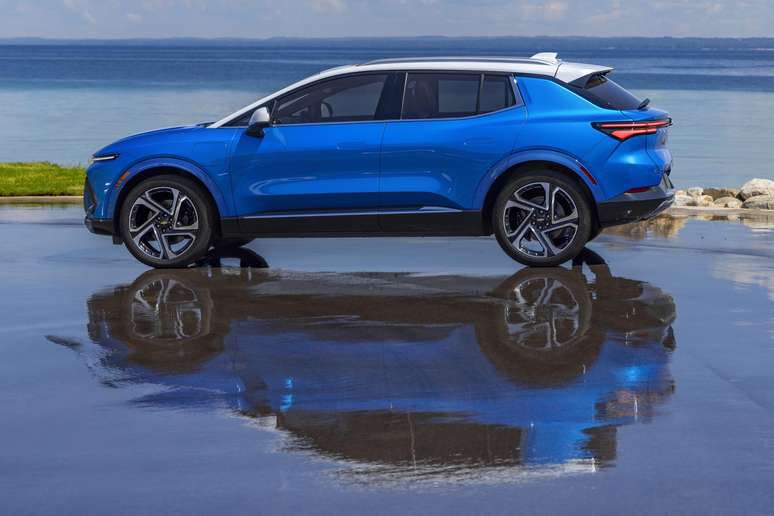
But the Chevrolet Silverado is the sixth best-selling car in the world and a loss of competitiveness (or profit) will greatly affect GM. On the Stellantis side, Ram produces thousands of units of the 2500, 3500, 4500 and 5500 models at the Saltillo plant, in Mexico. The new generation of the Jeep Compass will be made in Ontario, Canada.
Volkswagen will also suffer. The German automaker produces around 350,000 units of the Jetta, Tiguan and Taos models in Puebla, Mexico for export to the United States.
“We are evaluating any potential effects on the automotive industry and our company as a result of the announced tariffs,” Volkswagen said in a statement issued this Sunday, 2, in Berlin. “We are counting on constructive negotiations between trading partners to ensure planning security and economic stability and avoid a trade conflict.”
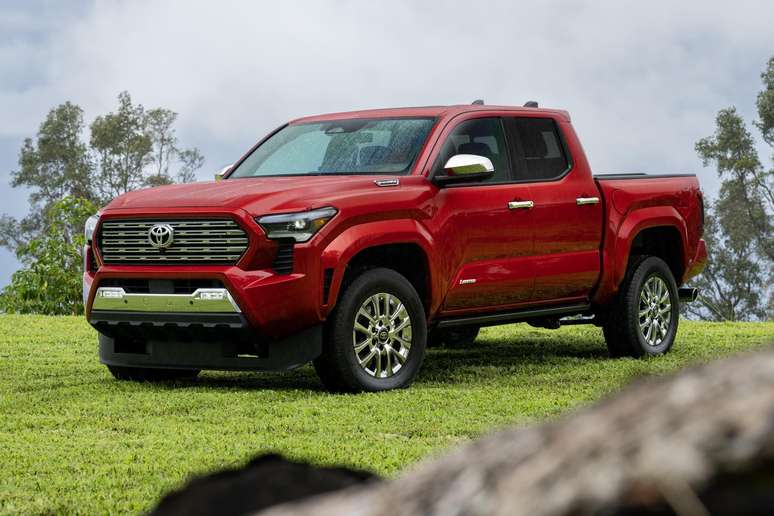
On the Japanese automaker side, Toyota alone exported 192,800 units of the Tacoma pickup to the USA in 2024. The fourth generation is produced in the Mexican cities of Guanajuato and Tijuana.
The Nissan Kicks, produced in Aguascalientes, Mexico, sold 77,300 units in the USA last year. The Honda Prologue, which is made at the GM factory in Ramos Arizpo, also in Mexico, sold 33,000 units in the US market last year.
Reactions from the automotive industry
Analysts at investment bank Stifel said 65% of the cars Volkswagen sells in the United States would no longer be competitive if taxes were added to Mexican imports, according to Reuters. News agency also heard from other representatives of the automotive industry.
Matt Blunt, presidente do American Automotive Policy Council, que representa Ford, GM e Stellantis: “We continue to believe that vehicles and parts that meet the USMCA’s stringent domestic and regional content requirements should be exempt from increased tariffs. Our American automakers, who have invested billions in the U.S. to meet these requirements, should not have their competitiveness harmed by tariffs that will increase the cost of building vehicles in the United States and impede investment in the American workforce.”
Unifor, the largest private sector union in Canada, representing automotive workers at three Detroit automakers: “Canada must react hard and fast as Trump declares economic war on Canadian workers.”
Lana Payne, head of Unifor, which represents Canadian autoworkers: “An attack of this magnitude, Canadians will demand that their government respond. I hope Americans understand now that in Canada there is a lot of anger. We are supposed to be the United States’ closest ally, and people are trying to understand why this is happening.”
John Bozzella, presidente da Alliance for Automotive Innovation: “Continued automotive commerce in North America is responsible for $300 billion in economic value. Not only does it keep us globally competitive, it also supports auto jobs, vehicle choice and vehicle affordability in America. We look forward to working with the administration on solutions that achieve the President’s goals and preserve a healthy and competitive auto industry in America.”
German Automotive Association (VDA): “Rising geopolitical tensions and rampant protectionism continue to drive companies to serve markets increasingly locally… The exact effects will depend greatly on the respective situation. But the fact is: sooner or later, isolationism will only have losers in every country!”

André Itamara Vila Neto é um blogueiro apaixonado por guias de viagem e criador do Road Trips for the Rockstars . Apaixonado por explorar tesouros escondidos e rotas cênicas ao redor do mundo, André compartilha guias de viagem detalhados, dicas e experiências reais para inspirar outros aventureiros a pegar a estrada com confiança. Seja planejando a viagem perfeita ou descobrindo tesouros locais, a missão de André é tornar cada jornada inesquecível.
📧 E-mail: andreitamaravilaneto@gmail.com 🌍 Site: roadtripsfortherockstars.com 📱 Contato WhatsApp: +55 44 99822-5750