
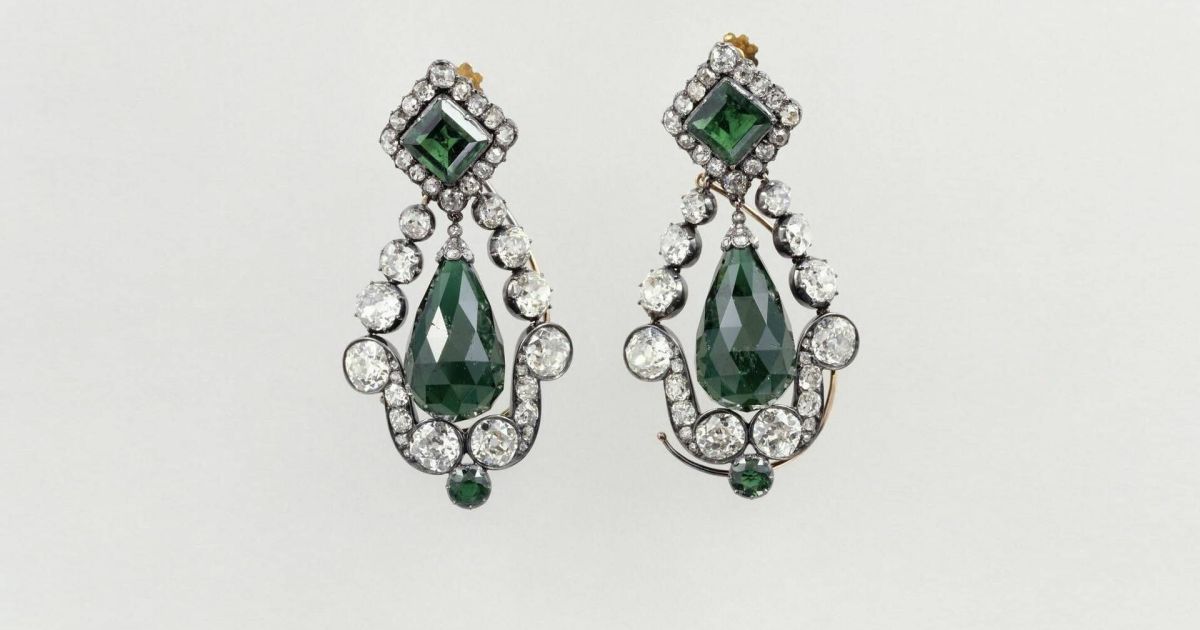
The jewels stolen from the Louvre Museum have enormous significance for the history of France and symbolize a very widespread trend in 19th century European royalty: marriage between members of royal families from different countries.
In total, nine pieces were taken from the museum on Sunday (19) by thieves. Only one was found.
The relics were created or presented to celebrate or mark the union between nobles, something that could be understood as strategic at the time.
Arranged marriage between members of different royal families was considered practically a rule. It was a way of reinforcing the idea that nobles could only marry among themselves and, in this way, produce fully legitimate heirs to assume the throne, which guaranteed the continuation of the dynasty.
But these unions also had another important function: diplomatic. Uniting royal families could ensure that enemies (or potential enemies) became relatives, reducing tensions, generating stability and even peace between countries.
The unions also guaranteed access to military and financial support between nations and the transfer of much wealth.
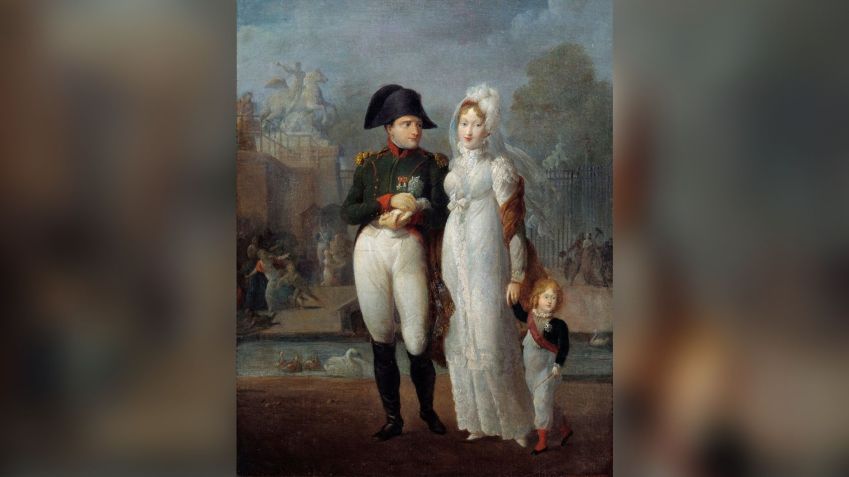
Union between Maria Luísa and Napoleon Bonaparte
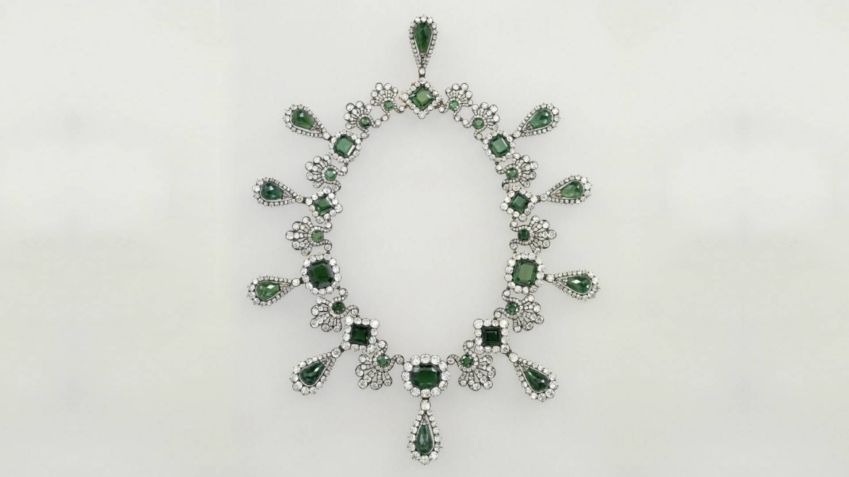
All of the jewels stolen from the Louvre have links to strategic marriages between members of the European nobility, but the most representative of this trend is Empress Maria Luísa’s set of emeralds and diamonds.
The relics were a gift from Napoleon Bonaparte to Maria Luísa, who belonged to the Austrian House of Habsburg, one of the oldest and most traditional dynasties in Europe.
She was the second wife of Napoleon, who divorced his first, Josephine, after she was unable to produce children in the marriage.
The second marriage in 1810 was a strategy by the French emperor to guarantee an heir and thus continue the dynasty. A year after the union, Maria Luísa gave birth to his son, Napoleon II.
Napoleon also aimed to gain legitimacy in Europe, as he was initially seen as a “revolutionary general”. He wanted the famous “blue blood” of the nobility.
With this, marriage to a member of a prestigious Austrian royal family guaranteed the recognition he so desired.
Finally, the marriage between the two was a way of sealing peace with Austria, a country that was at war with France a year earlier, in 1809.
In this way, Napoleon hoped to form a stable military alliance and thus focus on other threats in other parts of Europe without worrying about Austria.
The jewelry, presented at the wedding, became a kind of diplomatic war trophy. They were pieces that attested to the legitimacy of the French Empire at that time through the union between Napoleon Bonaparte and Maria Luísa.

André Itamara Vila Neto é um blogueiro apaixonado por guias de viagem e criador do Road Trips for the Rockstars . Apaixonado por explorar tesouros escondidos e rotas cênicas ao redor do mundo, André compartilha guias de viagem detalhados, dicas e experiências reais para inspirar outros aventureiros a pegar a estrada com confiança. Seja planejando a viagem perfeita ou descobrindo tesouros locais, a missão de André é tornar cada jornada inesquecível.
📧 E-mail: andreitamaravilaneto@gmail.com 🌍 Site: roadtripsfortherockstars.com 📱 Contato WhatsApp: +55 44 99822-5750