
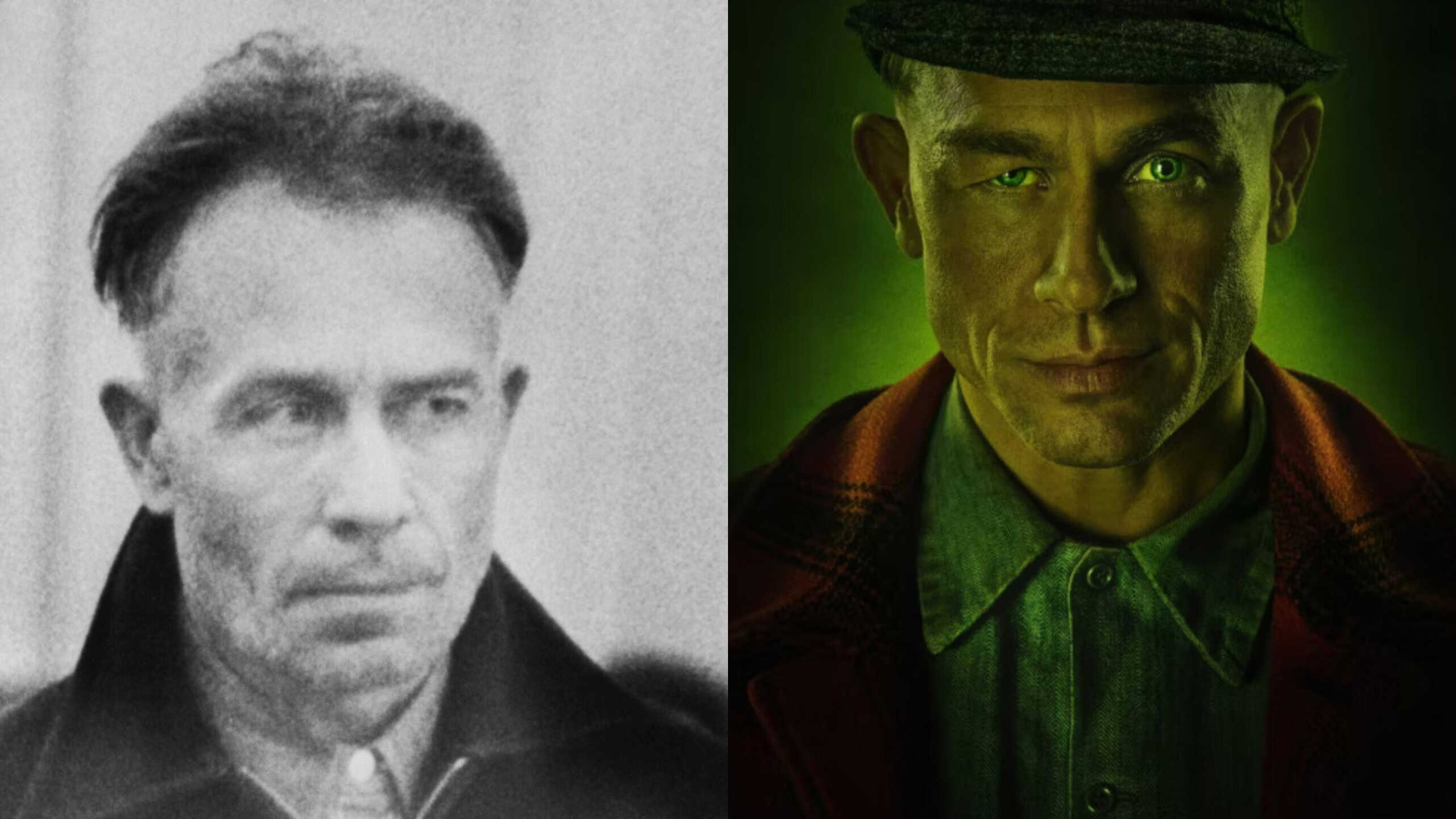
The third season of the Netflix series “Monster” focuses on serial killer Ed Gein. Also known as the “Plainfield Butcher”, Gein was arrested in 1957 after authorities found macabre objects made from human remains in his home.
The season mixes real facts with fictional events, raising debates about the limits between reality and dramatization in works inspired by true crimes. In this article, we highlight some of the main creative liberties taken by the series.
Ed Gein in real life
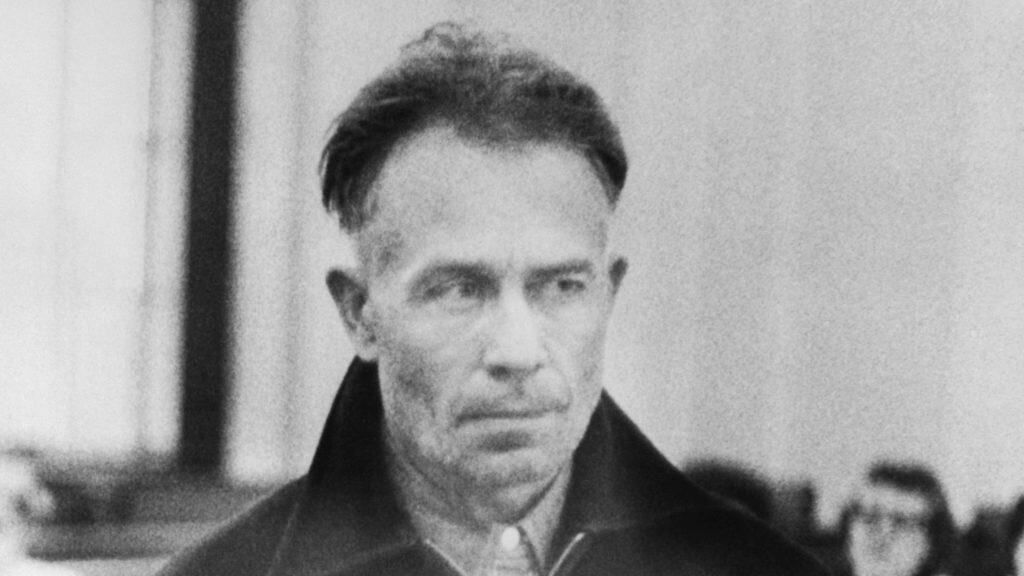
Ed Gein was born in 1906, in Wisconsin, in the United States. He grew up in an environment of moral repression and social isolation, mainly due to his relationship with his mother, Augusta. His crimes came to light in 1957, when police found masks made from skin, bone utensils and furniture made from exhumed body parts in his home.
Gein admitted to having murdered Mary Hogan in 1954 and Bernice Worden in 1957. Even so, authorities always suspected other possible victims, although nothing was officially proven. Doctors diagnosed him with schizophrenia, and the court declared him legally insane, causing him to spend the rest of his life in psychiatric institutions until his death in 1984.
Read more:
“Monster: The Ed Gein Story”: the main distortions of the Netflix series
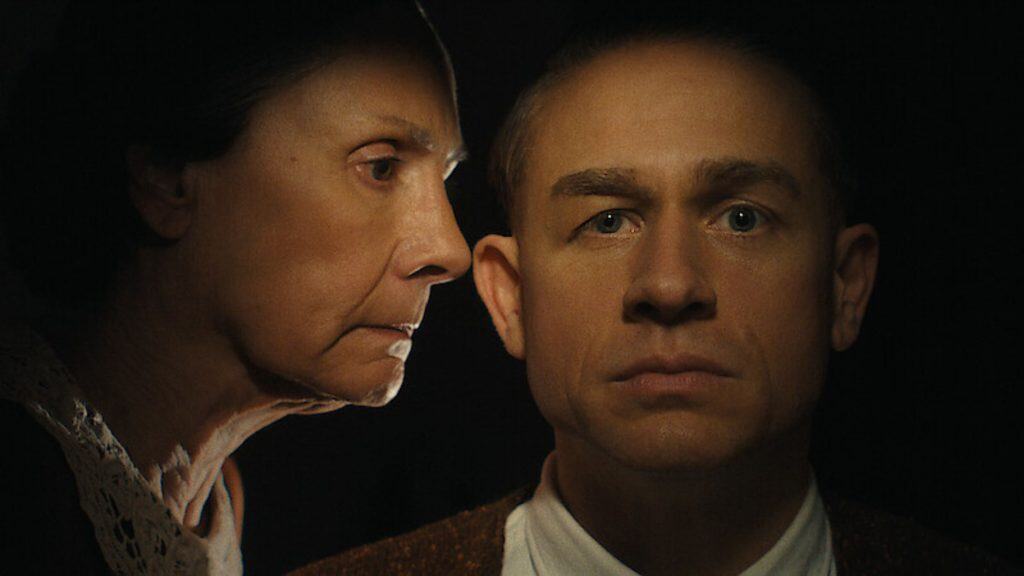
Increased number of victims
In real life, Ed Gein confessed to only two murders. However, the series shows six victims, which include a nanny, two men and even his own brother, Henry. None of these additional crimes were proven by authorities.
Romance com Adeline Watkins
The production presents Adeline as Gein’s accomplice and lover. Although the character existed, there is no record of romantic involvement or collaboration in crimes.

Participation in the capture of Ted Bundy
One of the most criticized points is the scene in which Gein helps the FBI capture serial killer Ted Bundy in the 1970s. In reality, Gein was hospitalized with a diagnosis of psychosis. In other words, unable to collaborate with investigations. This interaction never happened.
Murder of Brother Henry
The series portrays Henry Gein’s death as a premeditated crime by his own brother. In reality, authorities never fully resolved Henry’s death in 1944, and no evidence proved Ed Gein’s guilt.
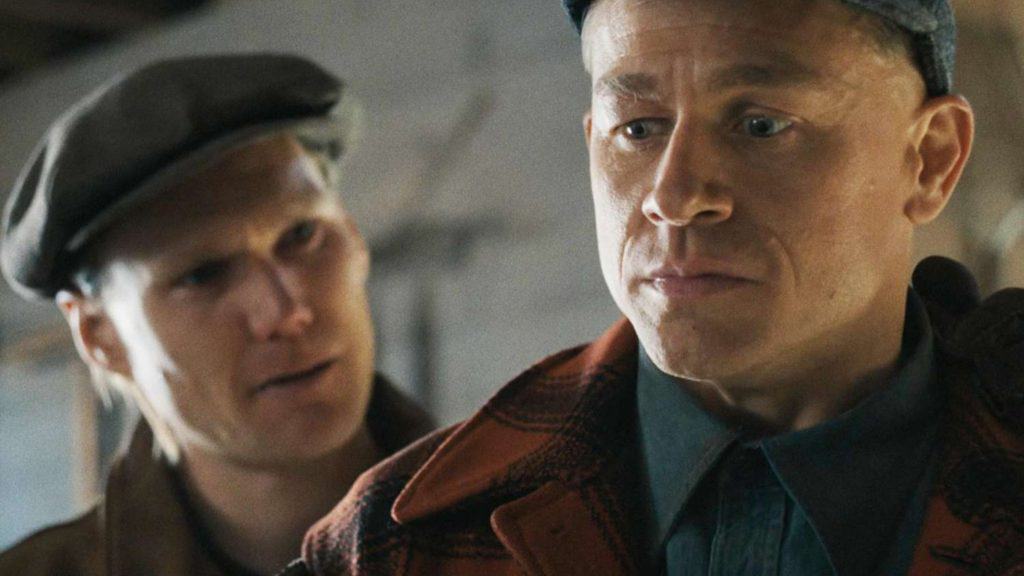
Involvement with Evelyn Hartley
The series suggests that Gein had some connection with the disappearance of young Evelyn Hartley, which occurred in the same region. However, this was never confirmed by the authorities, nor is there any concrete evidence of involvement.
Exchange of letters with Richard “Birdman” Speck
Another production invention is the supposed correspondence between Gein and murderer Richard Speck. There is no record that these two criminals communicated.
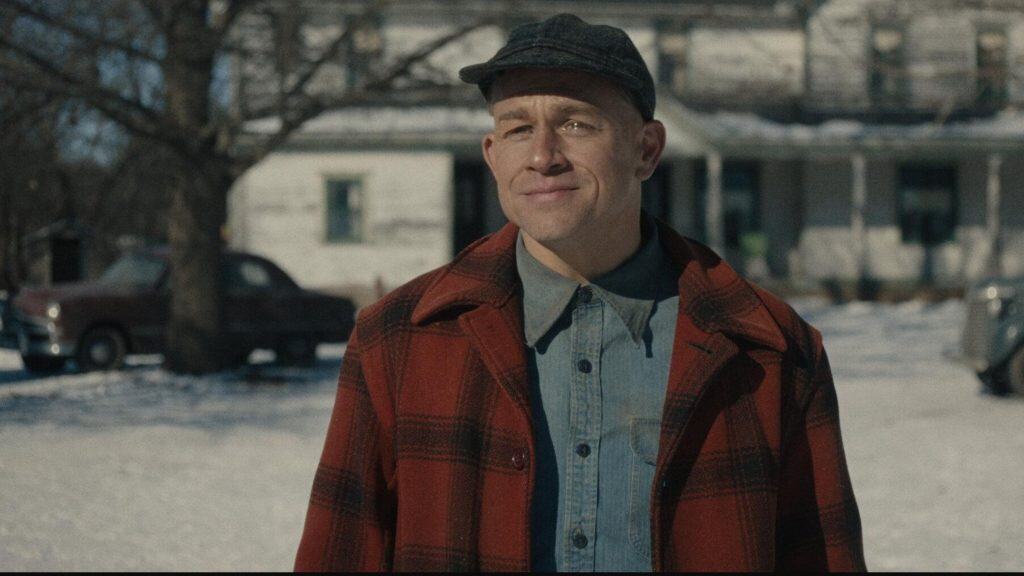
Encounters with historical figures
The series also romanticizes Gein’s unlikely encounters with real figures such as Christine Jorgensen and Ilse Koch, known as the “Slut of Buchenwald”. Although both existed, there is no evidence of a connection to the Plainfield killer.
Display of “objects” made by Gein
The series shows several objects that it attributes to Gein, but many are distortions or replicas created by the production. Authorities destroyed most of the actual evidence after his arrest.
André Itamara Vila Neto é um blogueiro apaixonado por guias de viagem e criador do Road Trips for the Rockstars . Apaixonado por explorar tesouros escondidos e rotas cênicas ao redor do mundo, André compartilha guias de viagem detalhados, dicas e experiências reais para inspirar outros aventureiros a pegar a estrada com confiança. Seja planejando a viagem perfeita ou descobrindo tesouros locais, a missão de André é tornar cada jornada inesquecível.
📧 E-mail: andreitamaravilaneto@gmail.com 🌍 Site: roadtripsfortherockstars.com 📱 Contato WhatsApp: +55 44 99822-5750